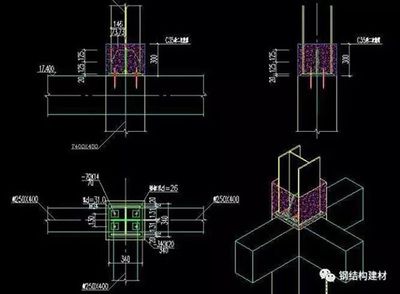
A blueprint design is a comprehensive plan that outlines the structure, layout, and functionality of a project or building. It includes detailed drawings, specifications, and guidelines for construction, installation, and operation. The blueprint design typically includes the following elements:,1. Site plan: This is a map of the site where the project will be built, showing the location of buildings, roads, and other features.,2. Floor plans: These are diagrams that show the layout of each floor or level of the building, including the placement of rooms, corridors, stairs, and elevators.,3. Sectional drawings: These are smaller-scale drawings that show specific parts of the building, such as walls, floors, roofs, and electrical systems.,4. Mechanical drawings: These include drawings of the plumbing, heating, ventilation, and electrical systems of the building.,5. Structural drawings: These show the reinforcement and support structures of the building, including beams, columns, and girders.,6. Finishing drawings: These include details on finishes, such as flooring, wall coverings, and lighting fixtures.,7. Detailed specifications: These provide detailed information on materials, dimensions, and standards used in the construction of the blueprint.
- What does a blueprint design typically include?
- How is a blueprint designed to ensure structural integrity and safety?
- What materials are commonly used in blueprint design?
- What are the steps involved in creating a blueprint?
- Can a blueprint be modified or updated after it has been created?

还没有评论,来说两句吧...